Chefs today are redefining cuisine, blending creative food preparation with a strong focus on wellness, nutrition, and mindful eating habits.
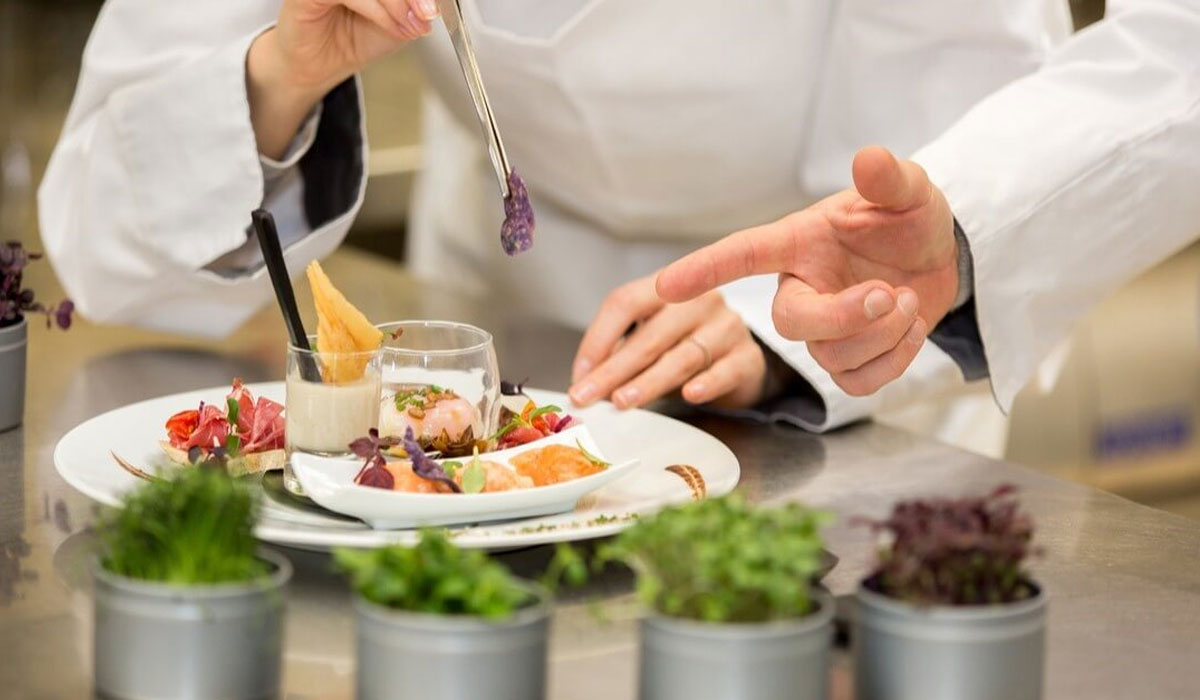
With an increasing global focus on wellness, sustainability, and mindful eating, culinary schools and chefs are redefining traditional cooking methods to align with modern health trends. This shift is reshaping the way we approach food, not just as sustenance, but as a powerful tool for enhancing well-being.
In Health, Business & Culinary Hub article, we explore how the fusion of culinary arts and health is shaping the future of modern cooking.
The Growing Focus on Health-Conscious Cooking
In recent years, there has been a notable rise in consumer demand for healthier, nutrient-dense food options. People are becoming more conscious of what they eat and how it impacts their overall health, which has led to a significant shift in the culinary landscape.
Chefs, restaurateurs, and culinary schools are responding to this demand by incorporating healthier ingredients and cooking techniques into their menus and curricula. Modern cooking now emphasizes whole foods, plant-based diets, and reducing the use of processed ingredients.
Concepts like farm-to-table, organic cooking, and sustainable sourcing are gaining popularity in restaurants and home kitchens alike. Chefs are also incorporating more superfoods, such as quinoa, chia seeds, and kale, into their dishes. The idea is not only to make meals taste delicious but to provide essential nutrients that promote long-term health.
In addition to using healthier ingredients, there is a growing trend to focus on cooking methods that retain the nutritional integrity of food. Techniques like steaming, grilling, and roasting are replacing deep-frying and excessive use of oils and fats. This shift is not just a culinary trend but a cultural movement that promotes the idea of food as fuel for the body.
Culinary Schools Leading the Way in Health Education
As health-conscious cooking becomes more popular, culinary schools are increasingly incorporating health and nutrition into their programs. This shift is designed to equip future chefs with the knowledge and skills needed to create health-focused menus that align with current trends and consumer demands.
Aspiring chefs are now learning not only how to prepare food but also how to make it healthier and more nourishing. Many culinary schools are now offering specialized courses in nutrition, food science, and sustainable cooking practices.
These courses help students understand the nutritional value of various ingredients and how to balance flavors and textures while still maintaining a focus on health. Students are also taught how to cater to specific dietary needs, such as gluten-free, vegan, or low-sodium diets, which are becoming increasingly common among consumers.
Furthermore, some culinary schools are forging partnerships with health professionals to offer interdisciplinary programs that blend culinary arts with healthcare. These programs aim to teach chefs how to use food therapeutically such as creating meals that support heart health, digestive health, or even mental well-being.
This approach is helping to bridge the gap between the culinary world and the healthcare industry, fostering a holistic approach to food.
Also Read: Sustainable Business Practices For Long-Term Success
The Impact of Technology on Health-Centric Cooking
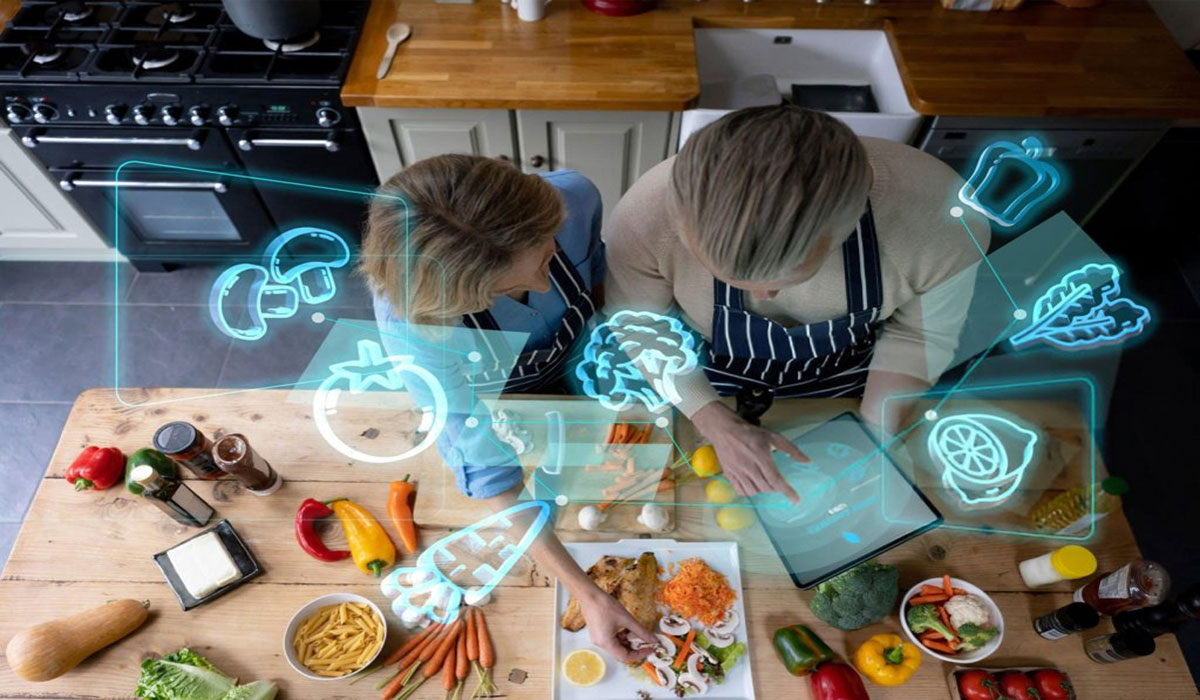
Technology is playing a crucial role in the evolution of health-conscious culinary arts. Advances in kitchen equipment, food processing, and even food delivery systems are making it easier for chefs to create healthier, more innovative dishes.
Modern tools like air fryers, steam ovens, and sous-vide machines allow chefs to prepare food with less fat and fewer calories, while still preserving the natural flavors and nutrients. Food science and technology are also helping to improve the nutritional profile of ingredients.
For example, companies are developing plant-based meat alternatives that mimic the taste and texture of traditional meats but are lower in fat and cholesterol. These innovations are opening up new possibilities for chefs to create health-focused dishes that cater to a wide range of dietary preferences, from vegetarian and vegan to low-carb and keto.
In addition, health-conscious cooking apps and online platforms have made it easier for home cooks and professional chefs to access recipes and cooking tips focused on nutrition. These platforms often provide valuable information on portion control, macronutrient balance, and meal planning, allowing individuals to make healthier choices in their everyday cooking.
The Future of Culinary Arts and Health
The future of culinary arts will undoubtedly continue to be shaped by the increasing focus on health and wellness. As consumers become more informed about the relationship between diet and disease prevention, the demand for healthy, nourishing food options will only grow.
This means that culinary professionals must adapt by expanding their knowledge of nutrition, sustainability, and the health benefits of various foods. For chefs and culinary schools, this presents an exciting opportunity to push the boundaries of creativity in the kitchen while maintaining a commitment to health-conscious practices.
The fusion of culinary arts and health is not just about cooking healthy food it’s about creating a new culinary philosophy that honors both taste and well-being. Chefs who embrace this new paradigm will play a key role in transforming the food culture, making health and flavor synonymous in every dish.
Conclusion
The relationship between culinary arts and health is reshaping the way we approach food. As more people prioritize wellness and nutrition, the culinary world is responding with innovative, health-conscious cooking that combines creativity, flavor, and nutrition.
Culinary schools are adapting to this shift by integrating health education into their programs, while new technologies are making it easier for chefs to create dishes that are both delicious and nutritious. The future of cooking lies in this exciting intersection of taste and well-being, where food not only delights the palate but also supports a healthier lifestyle for all.
Image Information Source:
- First Image : chefiica.com
- Second Image :