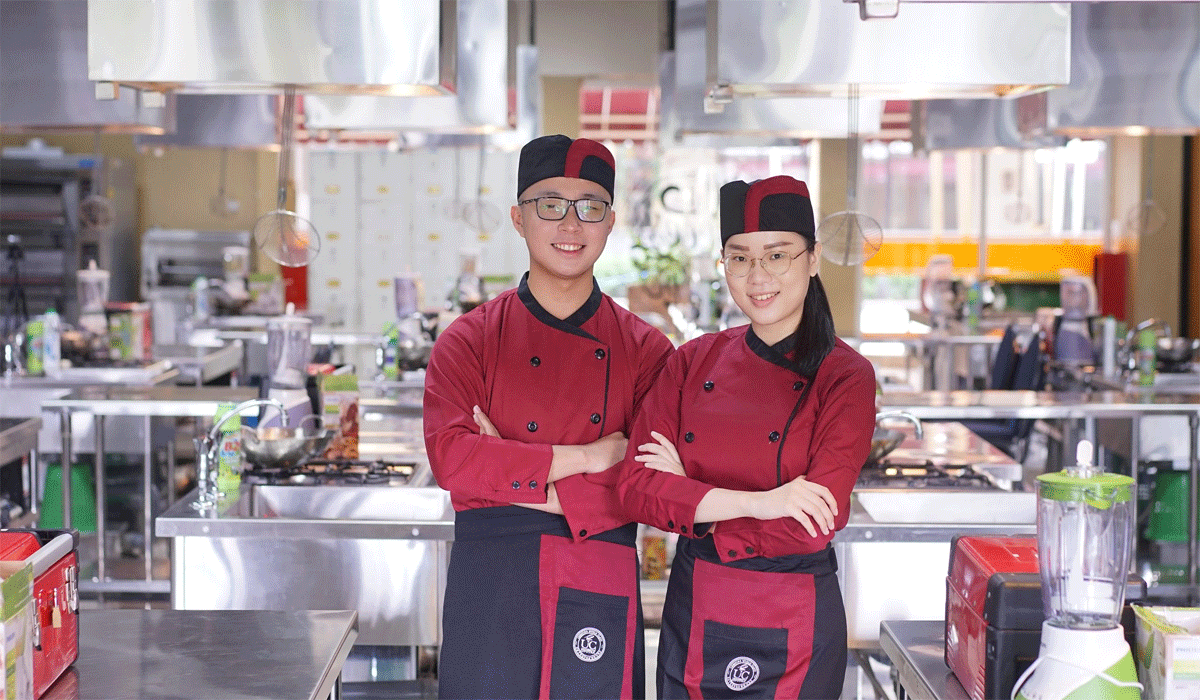
Culinary schools now teach not only cooking but also modern culinary innovations that are currently popular in Indonesia.
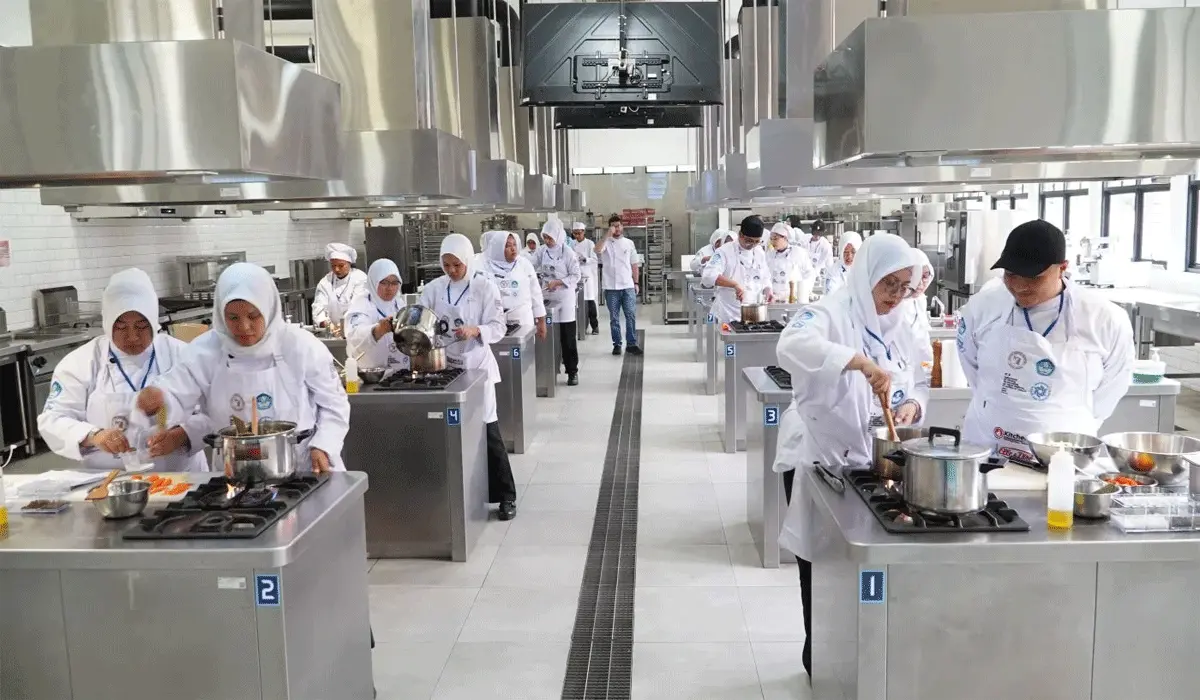
Indonesia is known as a country with extraordinary culinary riches. From Sabang to Merauke, diverse flavors and cooking techniques have been passed down through generations. Culinary schools have become learning centers for aspiring chefs who want to master professional techniques and understand popular modern culinary trends. The following Health, Business & Culinary Hub will discuss the role of culinary schools and how modern culinary trends are developing in Indonesia.
The Role of Culinary Schools in Professionalism
Culinary schools serve as educational platforms for those who want to seriously pursue the world of gastronomy. In Indonesia, institutions such as Culinary Academies and hotel polytechnics offer programs that cover basic cooking techniques, pastry, kitchen management, and the art of food presentation. By participating in these programs, students learn not only theory but also hands-on practice in professional kitchens.
In addition to technical skills, culinary schools teach ethics and professionalism in the food industry. Students are trained to work in teams, maintain cleanliness, manage time, and understand food safety standards. These skills are crucial for anyone aspiring to a career in restaurants, hotels, or starting their own culinary business.
Furthermore, modern culinary schools in Indonesia also offer an understanding of global trends. For example, fusion cooking techniques, molecular gastronomy, and Instagram-worthy presentations are now part of the curriculum. This helps graduates not only meet professional standards but also be innovative and creative in facing the competitive culinary industry.
Modern Culinary Trends in Indonesia
Modern culinary trends in Indonesia are growing rapidly, influenced by globalization, social media, and the growing public interest in unique culinary delights. One popular trend is fusion cuisine, which combines traditional Indonesian recipes with international flavors, such as Italian-style rendang fried rice or sushi with Indonesian chili sauce.
In addition to fusion cuisine, healthy food and plant-based menu trends are also gaining popularity. Restaurants and cafes now offer low-calorie, vegetarian, or vegan menus to meet a healthy lifestyle. This has also influenced culinary schools, where students are taught to balance flavor, presentation, and nutritional value in modern cuisine.
Equally important, the concept of “experience dining” is becoming a focus. Food presentation is now not only about taste, but also about visual appearance and customer experience. Plating techniques, plate decoration, and the use of modern equipment are taught in culinary schools to adapt to this trend.
Also Read: Culinary Business Strategies From Professional Culinary School Graduates
Culinary Schools in Support of Modern Culinary
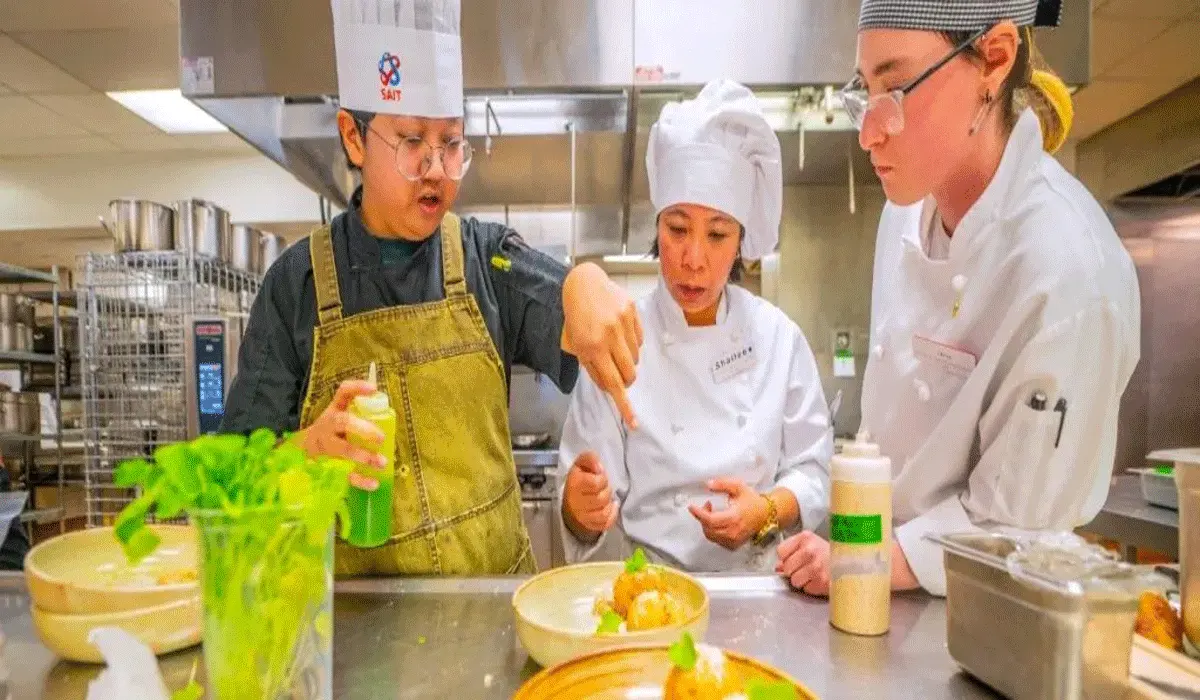
Culinary schools act as a bridge between tradition and innovation. For example, students are taught classic Indonesian recipes like rendang, soto, or gudeg, then trained to adapt them into more creative modern menus. This allows traditional dishes to remain relevant while appealing to the younger generation.
Furthermore, culinary schools provide modern facilities, such as professional kitchens, pastry laboratories, and advanced culinary technology. With these facilities, students can experiment with new techniques, create trendy menus, and adapt to market tastes.
Innovation for Culinary School Graduates
Culinary school graduates have many career opportunities, from professional chefs, pastry chefs, kitchen managers, to culinary entrepreneurs. Modern culinary trends open up opportunities for graduates to create themed restaurants, innovative cafes, or even digital culinary businesses.
Besides starting their own businesses, graduates can also work in five-star hotels, cruise ships, or international restaurants. Their knowledge of global trends and modern techniques makes them valuable assets in the culinary industry, which constantly demands creativity and innovation.
Modern Trends in Indonesian Culinary Schools
Culinary schools in Indonesia now not only teach basic cooking techniques but also blend local culinary traditions with modern trends. Students learn classic Indonesian recipes, such as rendang, soto, and gudeg, while being given the opportunity to adapt them into more creative and innovative modern dishes. Thank you for taking the time to explore this interesting information about culinary schools in Health, Business & Culinary Hub. We look forward to providing you with much more information.
Image Information Source:
First Image: institutescoffier.com
Second Image: coursecompare.ca