In the digital era, healthcare services are undergoing a profound transformation, driven by rapid technological advancements and the increasing demand for accessible.
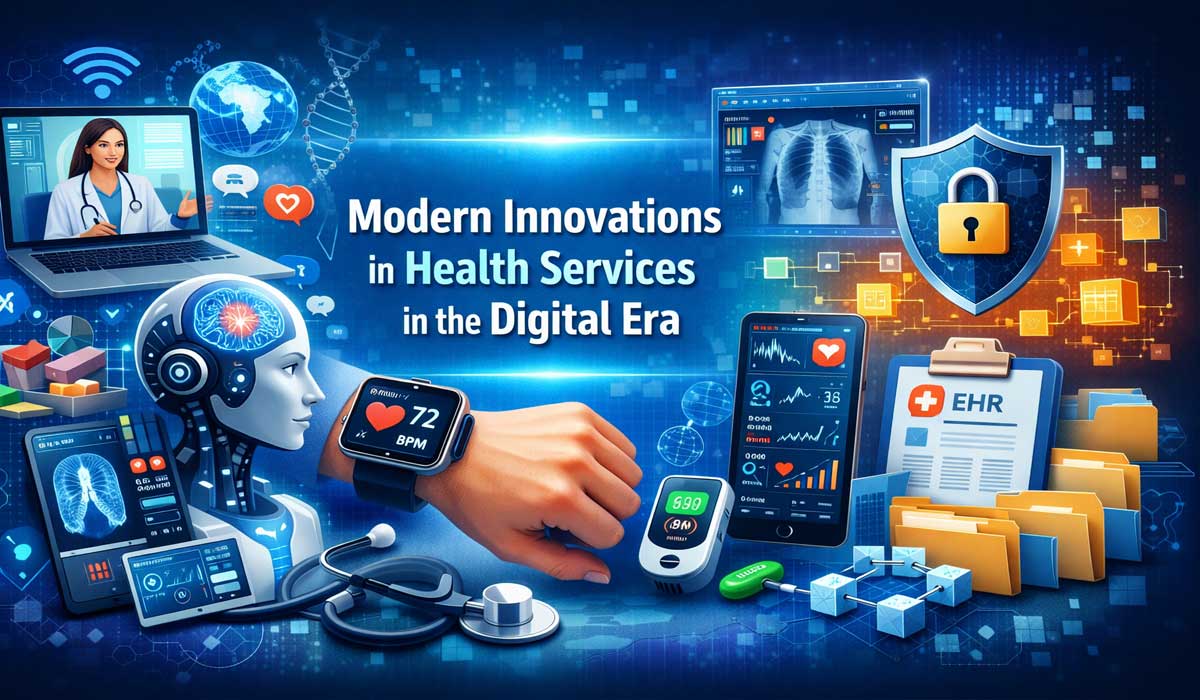
Innovations such as telemedicine, artificial intelligence, wearable devices, and data-driven systems are reshaping how medical professionals diagnose, treat, and monitor patients.
These developments not only improve healthcare delivery but also reduce costs and expand access to underserved populations worldwide, creating a more connected and responsive health ecosystem.
Telemedicine and Remote Consultations
Telemedicine has emerged as one of the most significant breakthroughs in modern healthcare, enabling patients to consult doctors without physical visits. Through video calls, mobile apps, and online platforms, healthcare providers can deliver timely advice, prescriptions, and follow-up care. This innovation is particularly valuable for individuals in remote or rural areas where access to medical facilities is limited, ensuring continuity of care regardless of geographical barriers.
Beyond convenience, telemedicine also reduces the burden on hospitals by minimizing unnecessary in-person visits and lowering the risk of infectious disease transmission. It enhances efficiency in healthcare systems by streamlining appointment scheduling and patient management. Moreover, it supports mental health services by offering confidential and flexible counseling sessions, making healthcare more inclusive and adaptable to modern lifestyles.
AI in Diagnostics and Decision Support
Artificial intelligence is revolutionizing diagnostics by assisting healthcare professionals in identifying diseases with greater speed and accuracy. Machine learning algorithms can analyze medical images, lab results, and patient histories to detect patterns that may be overlooked by human eyes. This capability is particularly impactful in fields such as radiology, oncology, and cardiology, where early detection significantly improves treatment outcomes.
AI-powered decision support systems also help clinicians develop more effective treatment plans by providing evidence-based recommendations. These systems continuously learn from vast datasets, improving their accuracy over time. While AI does not replace medical professionals, it serves as a powerful tool that enhances clinical judgment, reduces diagnostic errors, and supports more personalized patient care across diverse healthcare settings.
Wearable Technology and Remote Monitoring
Wearable health technology, such as smartwatches and fitness trackers, has transformed how individuals monitor their well-being in real time. These devices can track heart rate, sleep patterns, physical activity, and even oxygen levels, providing continuous health insights. Patients and doctors alike benefit from this data, which allows for early detection of potential health issues before they become critical.
Remote patient monitoring systems extend this capability by transmitting data directly to healthcare providers. This enables doctors to observe chronic conditions such as diabetes or hypertension without requiring frequent hospital visits. As a result, patients enjoy greater comfort and independence while healthcare professionals can intervene promptly when irregularities are detected, improving overall disease management.
Read Also: The Impact of Technology on Medical Services
Electronic Health Records and Data Integration
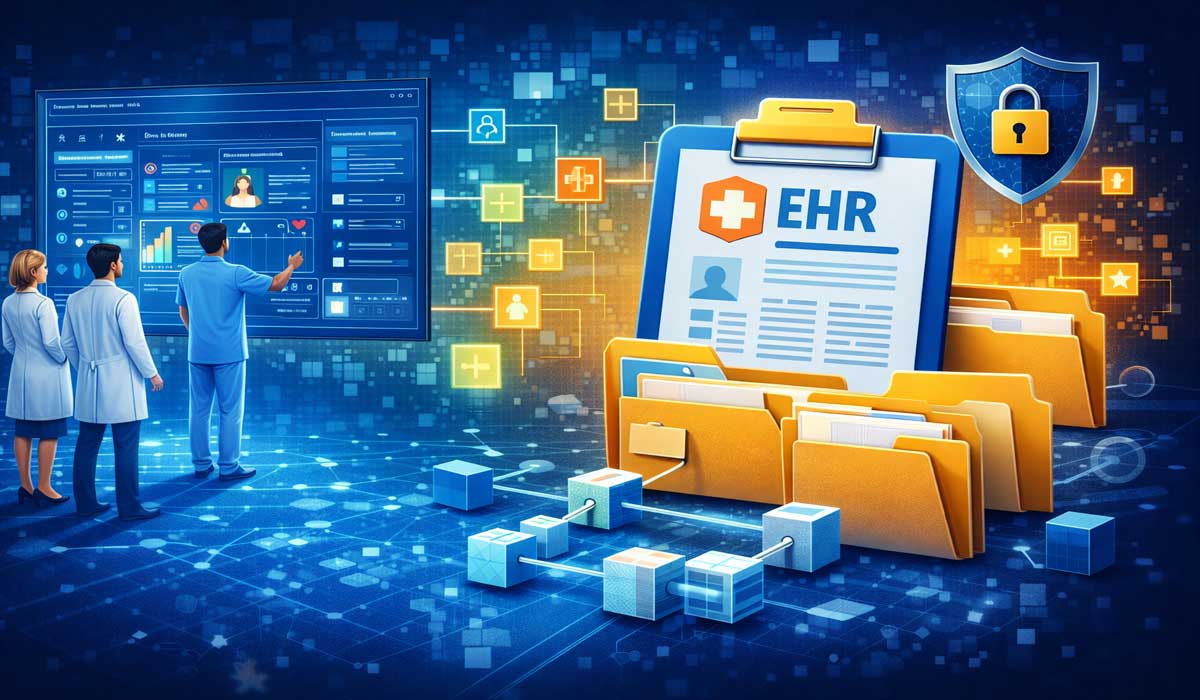
Electronic Health Records (EHRs) have replaced traditional paper-based systems, offering a centralized and digital approach to storing patient information. These systems allow healthcare providers to access accurate and up-to-date medical histories instantly, improving coordination among specialists. EHRs also reduce errors caused by illegible handwriting or lost documents, enhancing overall patient safety and treatment efficiency.
Data integration across healthcare platforms further strengthens EHR systems by enabling seamless information sharing between hospitals, laboratories, and clinics. This interconnectedness ensures that medical professionals have a comprehensive view of patient health, supporting better diagnosis and treatment decisions. Additionally, integrated data systems facilitate research and public health monitoring by providing large-scale health insights.
Blockchain and Cybersecurity in Healthcare
Blockchain technology is gaining attention in healthcare for its ability to secure sensitive medical data and ensure transparency in transactions. By creating decentralized and tamper-proof records, blockchain enhances trust between patients and healthcare providers. It also enables secure sharing of medical information across institutions without compromising privacy or data integrity.
Cybersecurity remains a critical concern as healthcare systems become increasingly digitalized. Advanced encryption methods, multi-factor authentication, and blockchain-based solutions help protect patient data from cyber threats. Strengthening digital security not only safeguards personal information but also ensures the reliability of healthcare services in an interconnected global system.
Image Information Source:
First Image: caresade.info
Second Image: caresade.info