Navigating health care can often feel overwhelming, whether it’s understanding insurance policies, scheduling appointments, or choosing the right provider.

However, with a strategic approach and the right mindset, managing your health care can become a much smoother, more manageable experience. This guide will explore practical tips and strategies to ensure a stress-free health care journey.
By equipping yourself with knowledge, organization, and effective planning, you can transform health care from a source of worry into a manageable, streamlined experience that prioritizes your well-being.
Understanding Your Health Care Needs
The first step to stress-free health care is understanding your own health care requirements. Take time to review your medical history, current medications, allergies, and any ongoing treatments.
Identify any preventive measures you may need, such as vaccinations or regular screenings. Knowing your health needs allows you to communicate effectively with health care providers, which reduces confusion and ensures you receive the appropriate care without unnecessary stress.
Choosing the Right Health Care Provider
Selecting a health care provider is a crucial part of reducing stress. Look for a doctor or clinic that matches your medical needs and personal preferences.
Check for credentials, reviews, and whether they accept your insurance plan. Building a trusting relationship with your provider can make appointments more productive and interactions more comfortable.
A provider who listens, explains clearly, and respects your concerns can greatly reduce anxiety related to medical visits.
Understanding Insurance And Billing
Health care expenses and insurance can be confusing and overwhelming. Take the time to understand your insurance plan, including coverage limits, co-pays, and deductibles.
If bills arrive unexpectedly, contact your provider or insurance company to clarify charges. Being proactive about insurance matters prevents misunderstandings, avoids unexpected expenses, and significantly reduces anxiety associated with health care costs.
Mastering Appointment Management
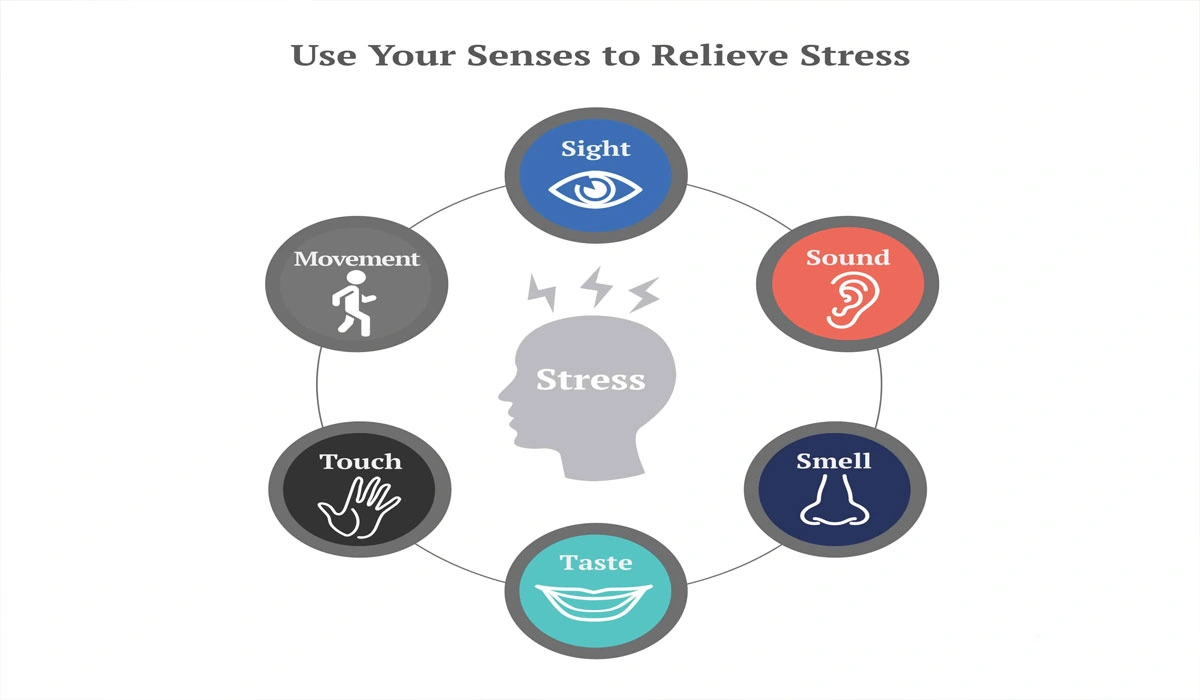
Scheduling and keeping track of medical appointments can be a major source of stress. Use digital calendars, reminder apps, or dedicated health management tools to organize appointments, medications, and follow-ups.
Plan ahead to avoid last-minute rushes, and keep a checklist for each visit to ensure you address all concerns during your appointment.
Efficient management of appointments minimizes missed visits and the stress that comes from trying to juggle multiple commitments.
Maintaining a Health Records System
Keeping organized medical records is essential for stress-free health care. Maintain a personal file that includes lab results, prescriptions, vaccination history, and notes from doctor visit
Digital tools can also help centralize this information for easy access. Having a clear and accessible health record allows you to make informed decisions, share information with providers efficiently, and avoid unnecessary repeat tests or procedures.
Conclusion
Stress-free health care is achievable with preparation, organization, and proactive management. By understanding your health needs, choosing the right provider, managing appointments, mastering insurance, and maintaining organized records, you can navigate the health care system with confidence.
These strategies empower you to focus on your well-being rather than the logistics of medical care, making your health care experience smoother, more effective, and less stressful overall.
Sustainability is not merely a trend it is a strategic imperative for companies seeking enduring success in a rapidly changing world.
Image Information Source:
- First Image from: vkrponline.org
- Second Image from: www.helpguide.org