Strengthening Community Health Services for Child Development explores how strong local health supports shape children’s futures.
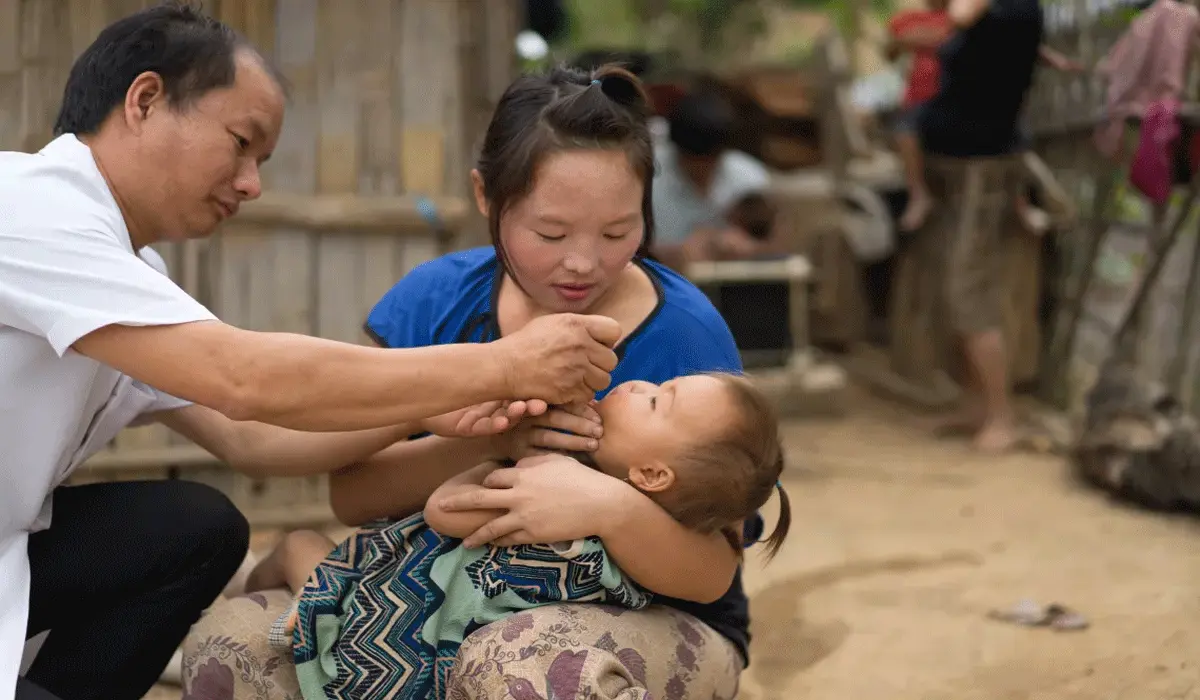
From regular check-ups and nutrition guidance to early detection and emotional wellbeing, community services play a powerful role in every stage of development. By connecting families, schools, and health workers, these services create a protective network around children.
This article Health, Business & Culinary Hub will discuss how strengthening community health services can support children’s growth and ensure healthier development.
The Importance Of Community Level Care
Children’s growth and development depend greatly on the quality of health services available in their communities. While hospitals provide advanced treatment, community health services serve as the first line of support for families. These services are closer, more accessible, and better suited to address everyday health needs.
Community-based care reduces barriers such as distance, cost, and lack of awareness. When families can easily reach local clinics or health workers, children receive timely check-ups, vaccinations, and guidance. Early care prevents small health concerns from developing into serious conditions that could affect long-term growth.
By focusing on prevention and early support, community services create a protective system around children. This approach ensures that health care is not only reactive but also proactive, supporting healthy development from infancy through adolescence.
Preventive Care And Early Detection
Preventive care is one of the strongest pillars of community health services. Regular monitoring of children’s height, weight, and developmental milestones allows health workers to identify potential issues early. This includes malnutrition, delayed development, and signs of chronic illness.
Vaccination programs also play a crucial role. Immunizations protect children from serious diseases that can hinder physical and cognitive growth. Community outreach ensures that even families in remote areas understand the importance of completing vaccination schedules.
Early detection leads to timely intervention. When problems are recognized quickly, treatment is often simpler, more effective, and less costly. This greatly improves the chances of children reaching their full growth potential.
Read Also: Culinary Education Meets Business & Health Innovation
Nutrition And Healthy Development
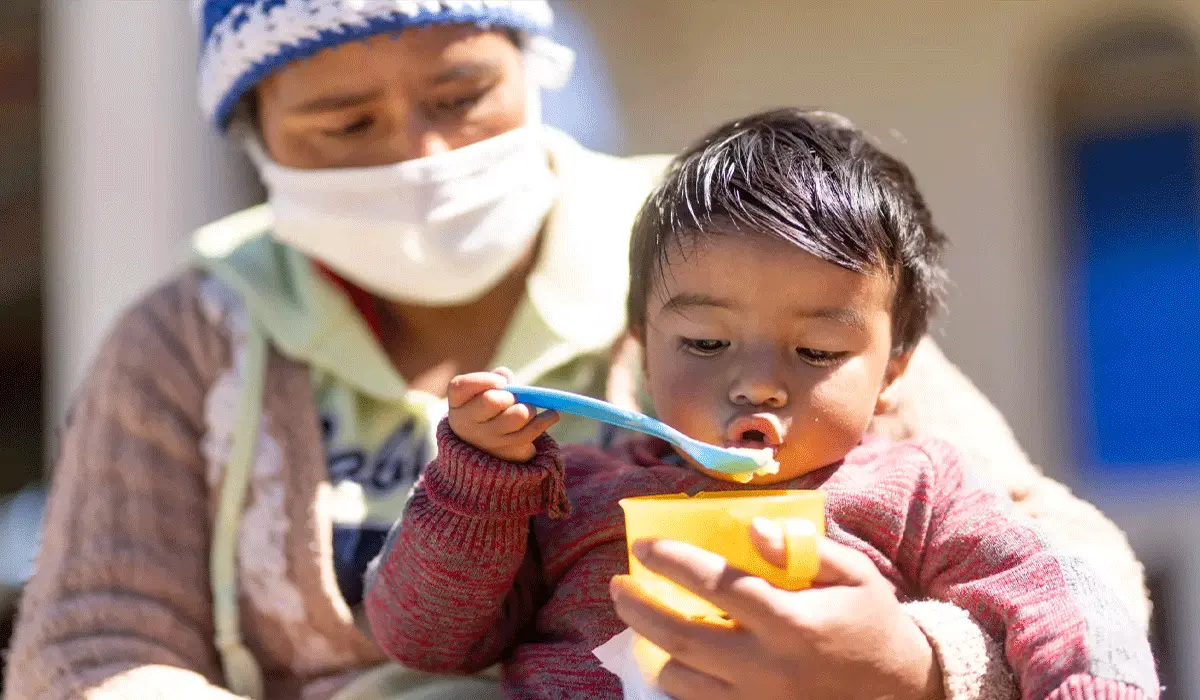
Proper nutrition is essential for children’s growth, especially during the first years of life. Community health services educate parents about breastfeeding, balanced diets, and age-appropriate feeding practices. These efforts help prevent malnutrition and nutrient deficiencies.
Many programs also provide supplements such as iron, vitamin A, or other essential nutrients. These interventions strengthen immunity, support brain development, and improve overall physical health. Good nutrition also enhances children’s ability to learn and stay active.
By combining education and practical support, community services address both knowledge gaps and resource limitations, this ensures that children receive the nutrients they need for healthy growth.
Mental And Social Wellbeing
Children’s growth is not limited to physical development. Emotional security and mental wellbeing are equally important. Community health workers often guide parents on creating safe, nurturing home environments that support children’s psychological development.
They also help families recognize early signs of emotional or behavioral challenges. When necessary, children can be referred to specialized support services. This early attention prevents small issues from becoming long-term difficulties.
Community programs frequently collaborate with schools and social groups. These partnerships strengthen social support systems, ensuring children grow in environments that promote confidence, resilience, and healthy relationships.
Strengthening Systems And Community Involvement
For community health services to be effective, they must be supported by strong systems. This includes trained health workers, adequate medical supplies, and clear referral pathways to higher-level care when needed.
Ongoing training helps health workers stay informed about best practices in child health. Digital tools and data systems can improve tracking of children’s growth and ensure consistent follow-up care.
Community involvement is also key. When families, leaders, and local organizations participate, health programs become more trusted and culturally relevant. This cooperation increases participation and strengthens the overall impact on children’s health.
Conclusion
Strengthening community health services is vital for supporting children’s growth in all aspects of life. Through preventive care, nutrition support, mental health guidance, and strong local systems, communities can protect children’s wellbeing. With continued investment and collaboration, these services build a healthier foundation for future generations.
Image Source:
- First Image from: https://www.unicef.org/
- Second Image from: https://www.unicef.org/