Optimizing resources to improve the quality of health services, ensuring efficiency and better access for the community.

Quality Health Services is an integrated service system that ensures that people receive optimal, effective, safe, fair and sustainable care. Below, Health, Business & Culinary Hub will discuss important strategies in managing resources so that the health sector is able to provide maximum and competitive service results.
Health Human Resource Planning
Proper planning of the medical workforce determines the long-term success and sustainability of the overall healthcare system. The distribution of doctors, nurses, and support staff must be tailored to regional needs, population size, and existing service load. Good planning helps prevent shortages in remote areas and overcrowding in urban centers.
Through needs mapping and ongoing training, healthcare workforce competencies can be continuously and relevantly improved. Furthermore, a fair incentive system can maintain work motivation and professional retention. All of these efforts are interconnected to achieve quality healthcare, which depends not only on facilities but also on the readiness and quality of the human resources who provide it every day.
Utilization of Technology in Healthcare
Technology plays a crucial role in improving the efficiency, accuracy, and access to healthcare at various levels of public service. The implementation of electronic medical record systems, for example, speeds up administrative processes and reduces the risk of patient data errors. Telemedicine technology also enables remote consultations, ensuring that people in remote areas continue to receive medical care.
Furthermore, the use of management information systems facilitates more accurate and data-driven decision-making. With the appropriate use of technology, service processes become more integrated and transparent. This directly supports the creation of quality healthcare services that are responsive to patient needs and sustainable development.
Also Read: Smart Ads for Health & Food Centers, How to Attract Customers Fast
Health Facilities & Infrastructure Management
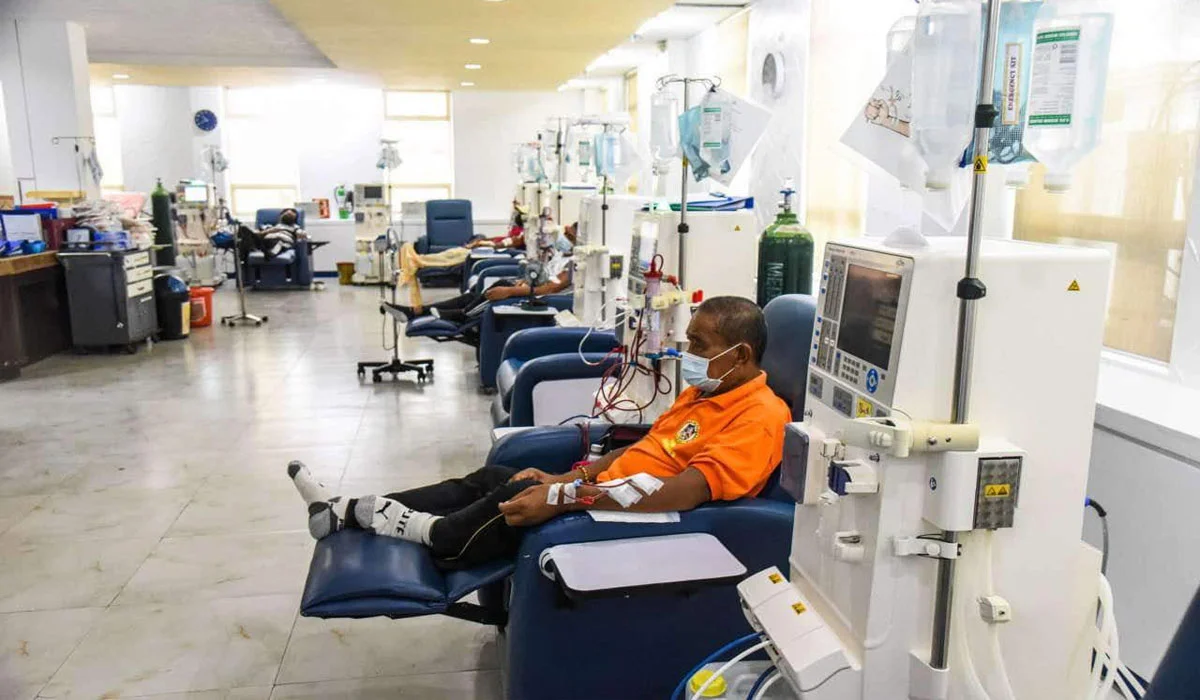
Adequate healthcare facilities are a crucial foundation for supporting the delivery of safe and effective services to the community. Infrastructure management includes building maintenance, the availability of medical equipment, and consistent hygiene standards. Proper budget planning helps ensure facilities remain functional and meet standards.
For example, routine maintenance of diagnostic equipment prevents service disruptions that could harm patients. Furthermore, efficient spatial planning improves service flow and user comfort. All of these aspects contribute to the delivery of quality healthcare services that focus not only on treatment but also on the overall patient experience.
Efficient Health Budget Management
Efficient budget management enables healthcare institutions to maximize the benefits of available resources without wasting them. Transparency in the planning and use of funds helps ensure each program is running according to its objectives. Budget priority should be given to essential services, disease prevention, and capacity building of healthcare workers.
A concrete example is the procurement of quality generic drugs to reduce costs without compromising therapeutic effectiveness. With proper oversight, the risk of misuse of funds can be minimized. This strategy contributes significantly to the sustainability of quality healthcare services that are accessible to the wider community in an equitable and sustainable manner.
Cross-Sector Collaboration and Integration
Cross-sector collaboration strengthens the health system through synergy between the government, the private sector, and the community. This cooperation enables the exchange of complementary resources, knowledge, and innovation. For example, partnerships with the education sector can enhance research and development of healthcare workers.
Service integration also helps reduce program duplication and expand service reach. With good coordination, responses to public health challenges become faster and more effective. This collaborative approach is crucial to ensuring that quality healthcare services are delivered consistently, adaptively, and relevant to the evolving needs of the community.
Image Source:
First Image from: oxfordcentre.uk
Second Image from: www.pangasinan.gov.ph